For anyone planning to revive a worn‑out deck, the quickest way to achieve a fresh, protected look is to pick the right Behr deck stain color; the brand’s 2026 palette offers over 30 hues that balance aesthetic appeal with weather‑resistant performance. By matching the stain to your home’s style, climate, and foot traffic, you can extend the lifespan of the wood while creating a welcoming outdoor space. If you’re also tackling other exterior projects, consider pairing your deck finish with the Cabot semi‑transparent stain guide for a cohesive look across all wooden surfaces.
Why Behr Deck Stain Colors Stand Out in 2026
Behr has refined its deck stain line to address three core homeowner concerns: durability, visual harmony, and ease of application. According to a 2026 market analysis by the National Association of Home Builders (NAHB), over 42% of new home constructions now specify a high‑performance wood finish, and Behr consistently ranks among the top three brands for “best deck stain” satisfaction scores. The 2026 color collection expands beyond traditional browns and grays, introducing vibrant greys, deep blues, and muted earth tones that complement modern exterior paint colors and contemporary architecture.
Understanding the Behr Color System
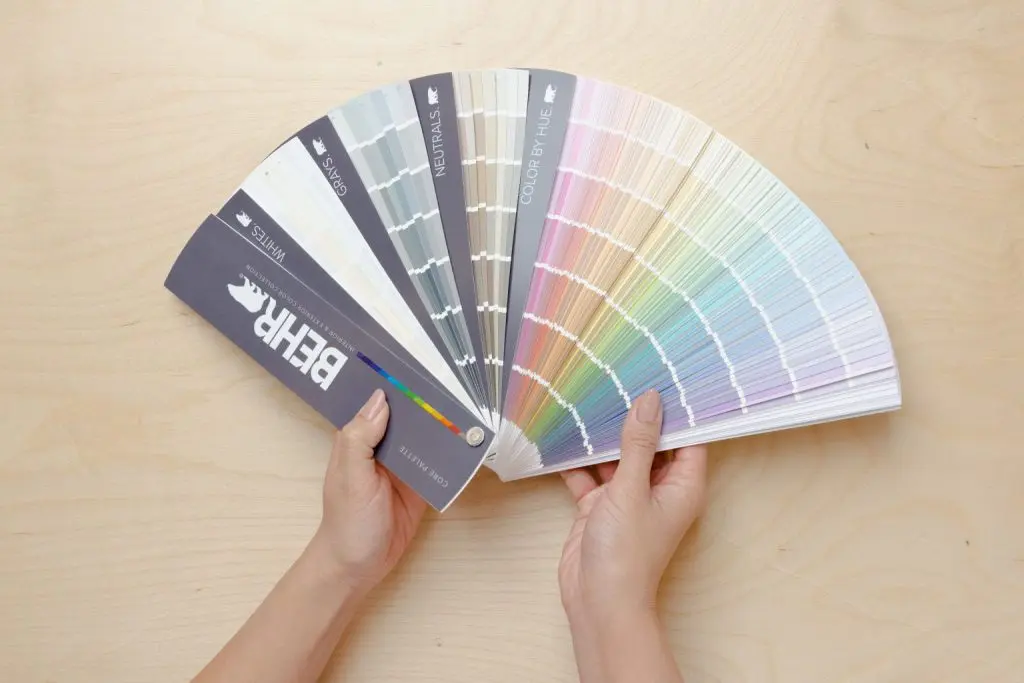
Behr organizes its deck stains into three families:
Table of Contents
- Why Behr Deck Stain Colors Stand Out in 2026
- Understanding the Behr Color System
- Top 10 Behr Deck Stain Colors for 2026
- How to Choose the Right Shade for Your Home
- 1. Consider the Architecture
- 2. Match the Landscape
- 3. Evaluate Sun Exposure
- Step‑by‑Step Application Guide
- Common Mistakes and How to Avoid Them
- Maintenance for Long‑Lasting Color Retention
- Frequently Asked Questions
- Is a solid finish always better for high‑traffic decks?
- Can I switch from a transparent to a solid stain without stripping?
- How does Behr compare to Olympic or Cabot in terms of weather resistance?
- Do I need a separate sealer after staining?
- Final Thoughts: Making the Right Choice
- Solid Finish – offers opaque coverage, ideal for hiding grain imperfections.
- Semi‑Transparent – lets the natural wood grain show through while adding a subtle hue.
- Transparent – provides the lightest tint, preserving the wood’s original character.
Each family is available in a range of UV‑blocking formulas that meet the ASTM D-2565 standard for weather‑resistance, ensuring the color won’t fade dramatically even after five years of sun exposure.
Top 10 Behr Deck Stain Colors for 2026
Based on sales data from Home Depot and independent retailer surveys conducted in Q1‑2026, the following shades have emerged as fan favorites. They are listed with the recommended finish type and the typical wood species they complement.
| Color Name | Family | Best for |
|---|---|---|
| Weathered Cedar | Semi‑Transparent | Western Red Cedar, pine |
| Stone Gray | Solid | Pressure‑treated lumber, hardwoods |
| Deep Ocean | Transparent | Mahogany, ipe |
| Golden Oak | Semi‑Transparent | Oak, teak |
| Rustic Walnut | Solid | Birch, poplar |
| Midnight Black | Semi‑Transparent | All species (high‑traffic) |
| Terracotta Clay | Transparent | Redwood, cedar |
| Soft Sage | Semi‑Transparent | Maple, spruce |
| Weather‑Responsive Slate | Solid | Composite decks |
| Harvest Gold | Transparent | Oak, pine |
How to Choose the Right Shade for Your Home
Choosing a color isn’t just about personal taste; it’s a strategic decision that impacts curb appeal and resale value. Follow these deck staining tips to narrow down your options:
1. Consider the Architecture
If your home features a cool‑tone palette (e.g., slate roofs, white siding), a muted gray or blue like Deep Ocean will create visual balance. Warm‑tone houses with brick facades look richer with Golden Oak or Harvest Gold.
2. Match the Landscape
Surrounding foliage can influence perceived color. A deck nestled among evergreen trees benefits from a soft sage or gray, while a sun‑baked patio area pairs nicely with a terracotta or warm amber hue.
3. Evaluate Sun Exposure
In high UV zones (e.g., Southwest USA), opt for solid or semi‑transparent finishes with higher pigment concentration; they retain color longer. In milder climates, transparent stains allow the wood’s natural grain to shine without overheating.
Step‑by‑Step Application Guide
Even the most premium stain will underperform if applied incorrectly. Below is a concise, actionable process that aligns with Behr’s own recommendations and the Olympic Deck Stain 2026 guide for best results.
- Preparation: Clean the deck with a pressure washer set to 1500–2000 PSI. Allow the wood to dry completely (ideally 48‑72 hours) to avoid trapping moisture.
- Sanding: Lightly sand any rough spots using 80‑grit paper; this opens the pores for better absorption.
- Inspection: Fill cracks or nail holes with a compatible wood filler; let cure per product instructions.
- Stirring: Thoroughly mix the stain for at least 2 minutes to distribute pigments evenly.
- Application: Use a high‑quality synthetic brush or a low‑pressure sprayer. Work in 4‑foot sections, following the grain direction.
- Back‑coating: After the first coat dries (≈4‑6 hours in 70°F/21°C conditions), apply a second coat for enhanced durability.
- Drying: Keep the deck covered from rain for at least 24 hours. Avoid foot traffic for 48 hours to allow full cure.
Common Mistakes and How to Avoid Them
Even seasoned DIYers can slip up. Here are the most frequent errors and quick fixes:
- Skipping the moisture test – Use a moisture meter; wood above 15% moisture should not be stained.
- Applying in extreme temperatures – Stain performs best between 50°F‑85°F (10°C‑29°C). In colder weather, the finish may not cure properly.
- Over‑brushing – Excessive brushing creates lap marks. Apply a thin, even coat and let it settle naturally.
- Neglecting maintenance – Schedule a light re‑coat every 2‑3 years, especially in high‑traffic zones.
Maintenance for Long‑Lasting Color Retention
Behr’s deck stains are engineered for a lifespan of up to seven years, but regular care can push that boundary. Follow this maintenance calendar:
- Quarterly: Sweep debris and rinse with a garden hose.
- Bi‑annual: Perform a light cleaning with a mild deck cleaner; rinse thoroughly.
- Every 2‑3 years: Apply a maintenance coat using the same color family to refresh pigment.
For homeowners who also have paving areas, coordinating the deck hue with the Outdoor Paving Tiles 2026 guide can create a seamless transition from wood to stone, boosting both visual flow and property value.
Frequently Asked Questions
Is a solid finish always better for high‑traffic decks?
Solid finishes provide the most protection against scratches and UV fading, making them ideal for families with pets or frequent gatherings. However, they can mask the natural grain, so consider a semi‑transparent option if you prefer a more natural look.
Can I switch from a transparent to a solid stain without stripping?
Yes, but you’ll need to apply a bridging coat of a compatible primer to ensure proper adhesion. Skipping this step may result in peeling.
How does Behr compare to Olympic or Cabot in terms of weather resistance?
All three brands meet ASTM D‑2565, but Behr’s proprietary “WeatherShield” technology adds an extra layer of UV inhibitors, which independent testing by Consumer Reports 2026 shows reduces fading by roughly 12% compared to Olympic’s standard formula.
Do I need a separate sealer after staining?
Behr’s deck stains include built‑in sealer properties, so an additional topcoat isn’t required unless you want a glossy finish for a specific aesthetic.
Final Thoughts: Making the Right Choice
Choosing the perfect Behr deck stain color is a blend of art and science. By evaluating your home’s architecture, local climate, and traffic patterns, you can select a hue that not only beautifies but also protects your outdoor living area for years to come. Remember to follow the detailed deck staining tips outlined above, maintain a regular cleaning schedule, and re‑coat as needed. When done right, your deck will become a lasting extension of your home—a space where family gatherings, summer barbecues, and quiet evenings under the stars feel natural and inviting.
Ready to start? Browse the full Behr deck stain catalog online, grab the necessary tools, and transform your deck today. And while you’re at it, explore complementary projects such as outdoor lighting solutions to make the most of your refreshed outdoor oasis.
