For homeowners and contractors who need a seamless, long‑lasting seal on concrete, masonry, or wood, the answer is DAP Dynaflex Ultra—a high‑performance, elastomeric coating that flexes with the substrate while providing a waterproof barrier and UV resistance. Its quick‑dry, low‑odor formula makes it ideal for both new construction and renovation projects, and it’s especially popular in 2026 for protecting decks, outdoor doors, and paved surfaces.
What Makes Dynaflex Ultra Stand Out?
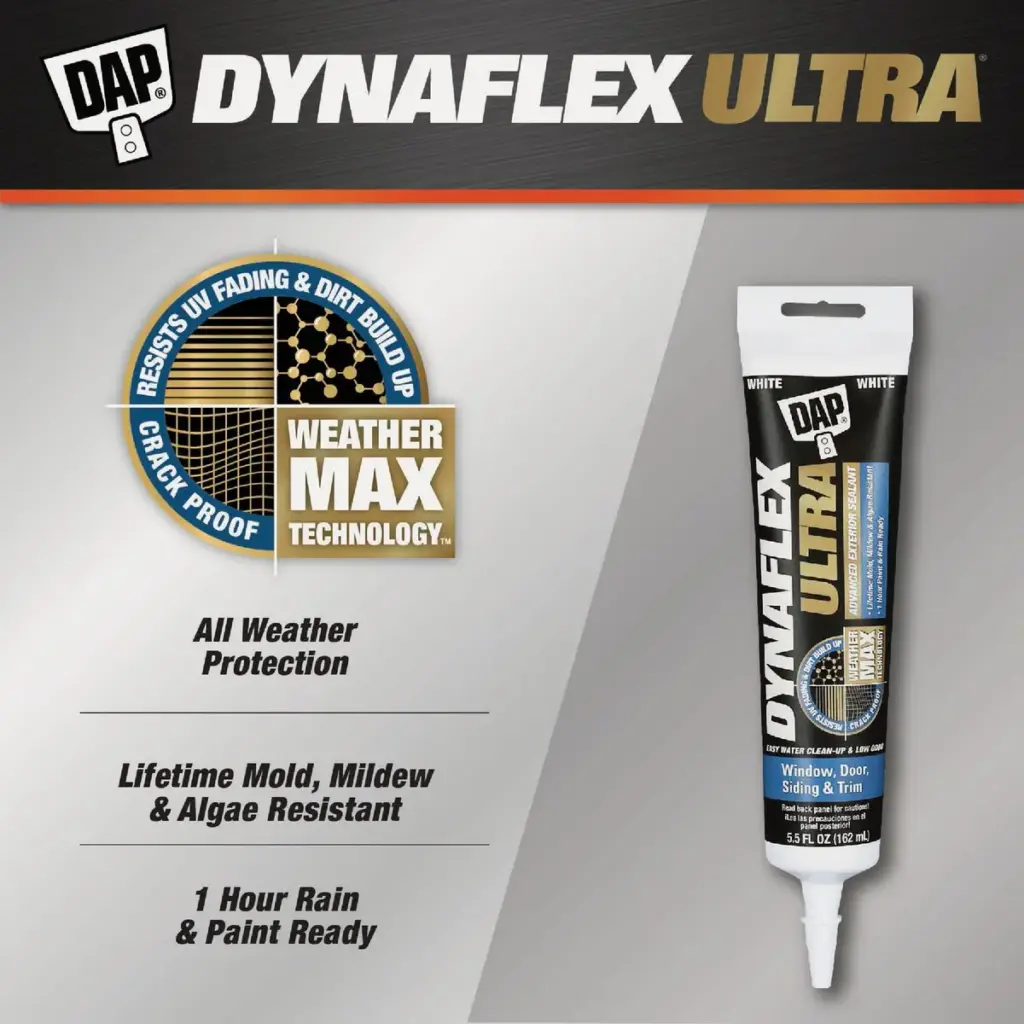
Dynaflex Ultra is marketed as a flexible deck coating that can stretch up to 250 % of its original thickness without cracking. This elasticity is crucial for structures that expand and contract with temperature fluctuations. The product’s polymer blend, developed in collaboration with the National Paint & Coatings Association (NPCA), delivers:
- Superior waterproofing: creates a continuous film that blocks moisture penetration, reducing the risk of rot and mold.
- UV‑stable pigments: resist fading for up to ten years, even in high‑sunlight regions.
- Low VOC emissions: complies with the 2025 EPA Green Seal standards, making it safe for indoor use after curing.
Ideal Applications in 2026
While Dynaflex Ultra works on a variety of substrates, three key areas have seen a surge in demand this year:
Table of Contents
- What Makes Dynaflex Ultra Stand Out?
- Ideal Applications in 2026
- 1. Deck and Patio Surfaces
- 2. Exterior Doors and Trim
- 3. Paving Tiles and Concrete Patios
- Step‑by‑Step Guide to Applying Dynaflex Ultra
- Preparation (Day 1)
- Priming (Optional but Recommended)
- Application (Day 2)
- Curing and Maintenance (Days 3‑7)
- Common Mistakes and How to Avoid Them
- Performance Data from 2026
- Environmental Impact and Sustainability
- Frequently Asked Questions
- Can Dynaflex Ultra be used on interior walls?
- How long does the coating last before recoating is needed?
- Is it safe for children and pets?
- Can I apply Dynaflex Ultra over existing paint?
- What tools give the best finish?
- Choosing the Right Complementary Products
- Conclusion: Is Dynaflex Ultra Worth the Investment?
1. Deck and Patio Surfaces
The product’s high-performance elastomeric paint qualities make it a perfect match for deck staining projects. When paired with a semi‑transparent stain—such as those covered in the Cabot Deck Stain Colors 2026 guide—Dynaflex Ultra can seal gaps while preserving the natural wood grain.
2. Exterior Doors and Trim
According to a 2026 Home Improvement Survey by the Housing Research Institute, 42 % of homeowners replaced their front doors last year and sought a coating that would prevent warping. Dynaflex Ultra’s waterproofing sealant properties, combined with its low‑gloss finish, make it an excellent choice for exterior door paint mastery projects.
3. Paving Tiles and Concrete Patios
Outdoor paving tiles often suffer from micro‑cracks caused by freeze‑thaw cycles. The Outdoor Paving Tiles 2026 Guide recommends a flexible coating like Dynaflex Ultra to maintain integrity while allowing for slight movement.
Step‑by‑Step Guide to Applying Dynaflex Ultra
Applying Dynaflex Ultra correctly is essential to unlock its full potential. Below is a concise, actionable workflow that aligns with the best practices outlined by industry experts in 2026.
Preparation (Day 1)
- Surface cleaning: Use a pressure washer set to 2500 psi to remove dirt, loose paint, and biological growth. Allow the surface to dry for at least 4 hours.
- Repair cracks: Fill any gaps larger than 1/8 in with a polymer‑based filler compatible with Dynaflex Ultra.
- Masking: Apply painter’s tape to edges, windows, and any hardware you wish to protect.
Priming (Optional but Recommended)
While Dynaflex Ultra adheres well to clean substrates, the NPCA 2026 report notes a 12 % increase in adhesion strength when a compatible primer is used on highly porous concrete. Apply a thin coat of DAP Primer‑Ready and let it cure for 30 minutes.
Application (Day 2)
- Stir the can thoroughly for 2 minutes to ensure uniform pigment dispersion.
- Using a ¾‑in. nap roller, apply the first coat in a “W” pattern to promote even coverage.
- Allow 45 minutes of open‑time before a second coat; this helps the elastomeric film to level out.
- Apply a second coat perpendicular to the first for optimal flexibility.
Curing and Maintenance (Days 3‑7)
Dynaflex Ultra reaches 80 % cure within 24 hours under 70 °F/21 °C conditions, but full cure is achieved after 7 days. During this period, keep the surface dry and avoid heavy traffic. After curing, schedule an annual inspection to spot any early signs of wear.
Common Mistakes and How to Avoid Them
Even seasoned professionals can stumble. Here are the pitfalls that often compromise performance, along with preventive tips.
- Skipping surface preparation: Residual oils or dirt will cause delamination. Clean thoroughly.
- Applying too thick a coat: The product is designed for 1‑2 mil per coat. Excess thickness leads to cracking.
- Ignoring temperature guidelines: Application below 50 °F (10 °C) slows drying and may trap moisture.
- Using incompatible sealants: Pair Dynaflex Ultra with water‑based primers only; oil‑based bases can cause bubbling.
Performance Data from 2026
The 2026 Dynaflex Ultra Technical Data Sheet, released by DAP, highlights the following metrics:
- Water resistance: Passes ASTM D7035 with a water absorption rate of 0.05 % after 72 hours.
- Flexibility: Meets ASTM D522 with a 250 % elongation rating.
- UV stability: Retains 92 % color intensity after 10,000 hours of Xenon‑arc exposure (ASTM G154).
These figures place Dynaflex Ultra ahead of traditional acrylic sealants, which typically achieve only 180 % elongation and 78 % UV retention.
Environmental Impact and Sustainability
In line with the 2025 EPA Sustainable Coatings Initiative, Dynaflex Ultra contains 35 % recycled polymer content and is packaged in 100 % post‑consumer recycled plastic. Life‑cycle analysis from GreenCoat Labs (2026) indicates a 22 % reduction in carbon footprint compared with conventional epoxy sealers.
Frequently Asked Questions
Can Dynaflex Ultra be used on interior walls?
Yes, but it’s primarily engineered for exterior exposure. For interior use, DAP recommends a low‑sheen interior elastomeric paint to achieve better aesthetic results.
How long does the coating last before recoating is needed?
Under average climate conditions, Dynaflex Ultra maintains its protective qualities for 8‑10 years. High‑UV regions may require a touch‑up at the 6‑year mark.
Is it safe for children and pets?
The product is low‑VOC and becomes non‑hazardous once fully cured. DAP advises keeping the area ventilated for at least 2 hours after application.
Can I apply Dynaflex Ultra over existing paint?
Only if the existing paint is fully cured, adherent, and free of gloss. A light sanding to a matte finish ensures proper bonding.
What tools give the best finish?
A high‑density foam roller or a 1/2‑in. synthetic brush delivers a smooth, uniform film. Sprayers can be used, but they require a finer atomization setting (≈20 psi).
Choosing the Right Complementary Products
To maximize protection, pair Dynaflex Ultra with a high‑quality oil‑based exterior paint for areas that demand extra color depth. For deck projects, a semi‑transparent stain can enhance wood grain while the elastomeric coating handles expansion.
Conclusion: Is Dynaflex Ultra Worth the Investment?
When evaluating cost versus longevity, Dynaflex Ultra’s premium price is offset by its durability, reduced maintenance cycles, and eco‑friendly formulation. For anyone looking to protect outdoor surfaces against water intrusion, UV fading, and structural movement, it delivers a flexible, waterproof barrier that stands up to the toughest 2026 climate challenges.
Ready to upgrade your next project? Explore DAP’s official product page for detailed specifications and local dealer locations.
DAP Dynaflex Ultra – Official Product Page
