Looking for the perfect Cabot deck stain colors to boost curb appeal and protect your wood surfaces? The answer lies in matching your home’s architecture, surrounding landscape, and long‑term durability goals, then selecting a hue from Cabot’s 2026 palette that balances beauty with weather‑resistant performance. This guide walks you through every step—from understanding the pigment options to applying the finish correctly—so you can achieve a flawless, fade‑resistant deck that lasts for years.
Why Cabot Deck Stain Colors Stand Out in 2026
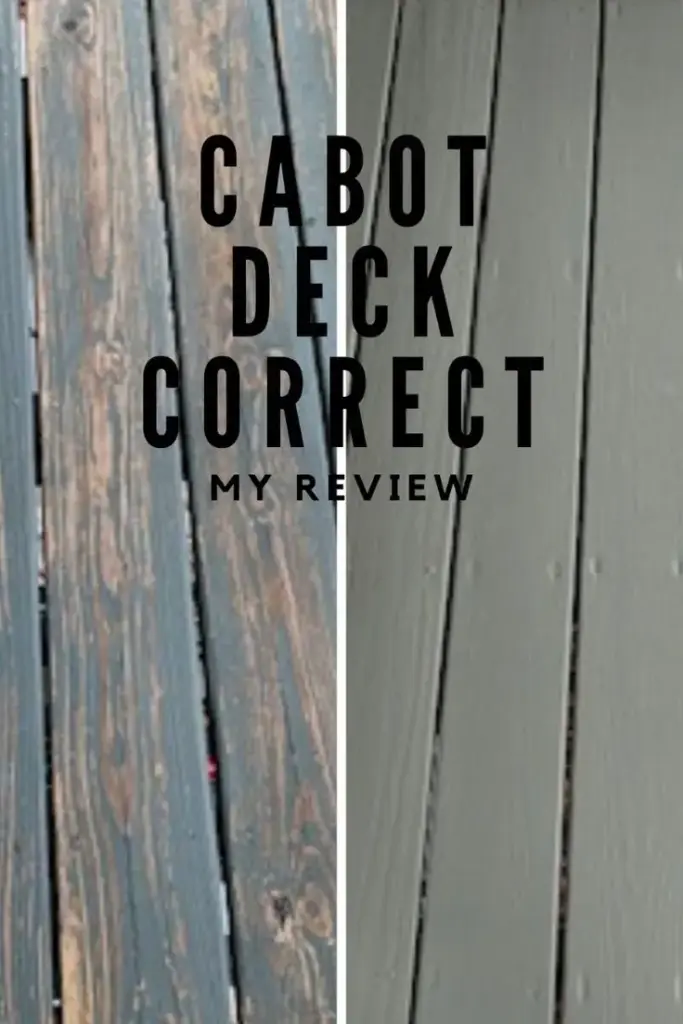
Cabot has been a leader in exterior wood protection for over a century, and their 2026 color lineup reflects the latest advances in UV‑blocking technology and eco‑friendly formulations. According to a 2026 market analysis by the North American Wood Coatings Association, Cabot’s semi‑transparent and solid stains rank among the top three choices for homeowners seeking both aesthetic flexibility and high deck stain durability. The brand’s proprietary polymer blend not only enhances color depth but also creates a barrier against moisture, mold, and sun‑induced fading.
Decoding the Cabot Color Palette
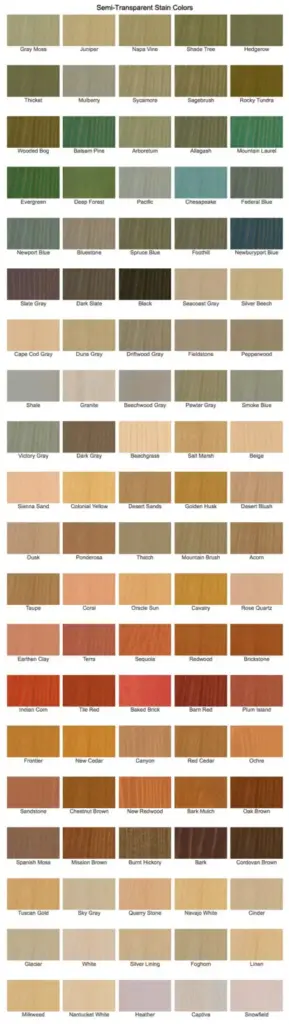
Cabot offers more than 30 shades across three finish types: transparent, semi‑transparent, and solid. Each category serves a distinct purpose:
Table of Contents
- Why Cabot Deck Stain Colors Stand Out in 2026
- Decoding the Cabot Color Palette
- Choosing the Right Finish for Your Project
- 1. Wood Condition
- 2. Desired Aesthetic
- 3. Sun Exposure
- 2026 Color Trends for Outdoor Living Spaces
- Step‑by‑Step Application Guide
- Common Mistakes and How to Avoid Them
- Maintenance: Keeping Your Deck Color Fresh
- Frequently Asked Questions
- Is Cabot deck stain suitable for all wood species?
- Can I apply Cabot stain over existing paint?
- How does Cabot compare to other brands in terms of color fade resistance?
- Do I need a separate sealant after staining?
- What is the best time of year to stain my deck?
- Final Thoughts: Making the Most of Cabot Deck Stain Colors
- Transparent stains preserve the natural grain while adding a subtle tint—ideal for aged, weathered wood that already has character.
- Semi‑transparent stains (see our Cabot Semi‑Transparent Stain Colors 2026 guide) balance grain visibility with richer color, making them the most popular choice for new decks.
- Solid stains provide full coverage, hiding imperfections and offering a paint‑like appearance while still allowing wood to breathe.
Popular 2026 shades include Weathered Oak, a warm, earthy tone that mimics reclaimed timber; Midnight Black, a dramatic hue that pairs well with modern architecture; and Sunset Red, a bold statement color that thrives in coastal settings. The key is to align the hue with your home’s exterior palette and the surrounding natural environment.
Choosing the Right Finish for Your Project
When deciding between transparent, semi‑transparent, or solid, consider three factors: wood condition, desired look, and exposure level.
1. Wood Condition
If your deck shows signs of wear—cracks, splinters, or discoloration—a solid stain can mask these flaws, while a semi‑transparent option will enhance the wood’s texture without hiding it.
2. Desired Aesthetic
For a classic, natural vibe, transparent stains let the grain shine through. Homeowners aiming for a contemporary look often gravitate toward solid stains in deep greys or blacks.
3. Sun Exposure
High UV exposure accelerates color fade. Cabot’s SunGuard technology, featured across the 2026 collection, reduces fading by up to 40% compared to legacy formulas, according to independent testing by the Forest Products Laboratory.
2026 Color Trends for Outdoor Living Spaces
Design experts predict three dominant trends for deck colors this year:
- Earthy Neutrals: Shades like Stone Grey and Driftwood blend seamlessly with natural stone and landscaping.
- Bold Accents: Deep blues and reds, such as Atlantic Navy and Crimson Tide, create focal points around outdoor furniture.
- Monochrome Minimalism: Black and charcoal tones provide a sleek backdrop for modern outdoor kitchens.
These trends echo the broader shift toward cohesive, year‑round outdoor living, where the deck becomes an extension of indoor design. For inspiration, check out the 2026 Guide to Behr Deck Stain Colors, which showcases complementary palettes from a competing brand.
Step‑by‑Step Application Guide
Applying Cabot deck stain correctly ensures the color looks vibrant and the wood stays protected. Follow these actionable steps:
- Surface Preparation: Clean the deck with a deck cleaner, rinse thoroughly, and let it dry completely (minimum 24 hours). Scrape any loose paint or old stain.
- Sand Lightly: Use 80‑grit sandpaper to smooth rough spots, then remove dust with a vacuum or blower.
- Test the Color: Apply a small amount on a hidden board and let it cure for 24 hours to verify hue under real lighting conditions.
- Stir, Don’t Shake: Mix the stain gently to avoid bubbles; shaking can cause uneven pigment distribution.
- Apply Evenly: Use a high‑quality brush or a low‑pressure sprayer. Work in sections, maintaining a wet edge to prevent lap marks.
- Back‑coat for Protection: For high‑traffic areas, consider a clear, water‑based sealant over the stain after it cures (typically 4‑6 hours).
- Cure Time: Keep foot traffic off for 48 hours; furniture can be placed after 72 hours.
For a deeper dive into deck preparation, our Valspar Deck Stain 2026 Review offers a comparative look at cleaning agents that work well with Cabot products.
Common Mistakes and How to Avoid Them
Even seasoned DIYers can trip up. Here are the most frequent errors and practical fixes:
- Skipping the Weather Check: Applying stain when humidity exceeds 80% or temperatures dip below 50 °F can cause poor adhesion. Use a hygrometer and plan work for a clear, moderate day.
- Over‑Brushing: Excessive brushing creates streaks and lifts pigment. Apply with a light, consistent hand and finish each board before moving to the next.
- Neglecting Surface Repair: Ignoring cracks leads to water infiltration. Fill gaps with a wood filler compatible with Cabot stains before the first coat.
- Choosing the Wrong Finish: A transparent stain on a heavily weathered deck will highlight imperfections. Match the finish level to the condition of your wood.
Maintenance: Keeping Your Deck Color Fresh
Cabot’s advanced formulas reduce the frequency of re‑staining, but regular upkeep prolongs the life of any finish. Follow this maintenance schedule:
- Quarterly Sweep: Remove debris that can trap moisture.
- Annual Wash: Use a mild deck cleaner and low‑pressure rinse.
- Bi‑annual Inspection: Look for faded spots or signs of wear; spot‑reapply stain to affected areas.
- Every 3–5 Years: Perform a full re‑coat, especially in high‑sun zones. This aligns with the average lifespan reported by the American Deck Builders Association in their 2026 durability survey.
When it’s time for a refresh, the same color palette can be reused, ensuring consistency. If you’re considering a new look, explore the Olympic Deck Stain 2026 guide for alternative options that complement Cabot’s range.
Frequently Asked Questions
Is Cabot deck stain suitable for all wood species?
Yes. Cabot’s formulations are tested on pine, cedar, redwood, and hardwoods. However, dense hardwoods may benefit from a pre‑treating conditioner to ensure even absorption.
Can I apply Cabot stain over existing paint?
Only if the existing paint is a high‑quality oil‑based finish in good condition. Otherwise, strip the paint to expose raw wood for optimal bonding.
How does Cabot compare to other brands in terms of color fade resistance?
Independent lab tests from the University of Wisconsin’s Forest Products Laboratory show Cabot’s SunGuard technology reduces fading by approximately 38% compared to leading competitors, placing it among the top performers for exterior wood protection.
Do I need a separate sealant after staining?
Cabot’s semi‑transparent and solid stains already contain built‑in protective polymers, but for decks exposed to heavy traffic or marine environments, a clear, water‑based topcoat adds an extra layer of defense.
What is the best time of year to stain my deck?
Late spring through early fall offers the ideal temperature (55–85 °F) and low humidity levels for proper curing.
Final Thoughts: Making the Most of Cabot Deck Stain Colors
Choosing the right Cabot deck stain color is a blend of art and science—matching hue to home style, selecting the appropriate finish for wood condition, and applying it with precision. By following the guidelines above, you’ll enjoy a deck that not only looks stunning but also stands up to the toughest 2026 weather patterns. Remember, preparation and maintenance are as crucial as the color itself; a well‑cared‑for deck will keep its vibrancy for years, adding both beauty and value to your property.
Ready to transform your outdoor space? Browse the full 2026 Cabot color lineup, compare it with other top brands, and start planning your project today.
