For a durable, eye‑catching patio or pathway, the most reliable choice is to install outdoor paving tiles that match your climate, foot traffic, and design style. By selecting the right material, preparing the base correctly, and maintaining the surface, you can enjoy a slip‑resistant, weather‑proof finish that lasts a decade or more—just as the 2026 industry reports confirm.
What Makes Outdoor Paving Tiles Different from Indoor Flooring?
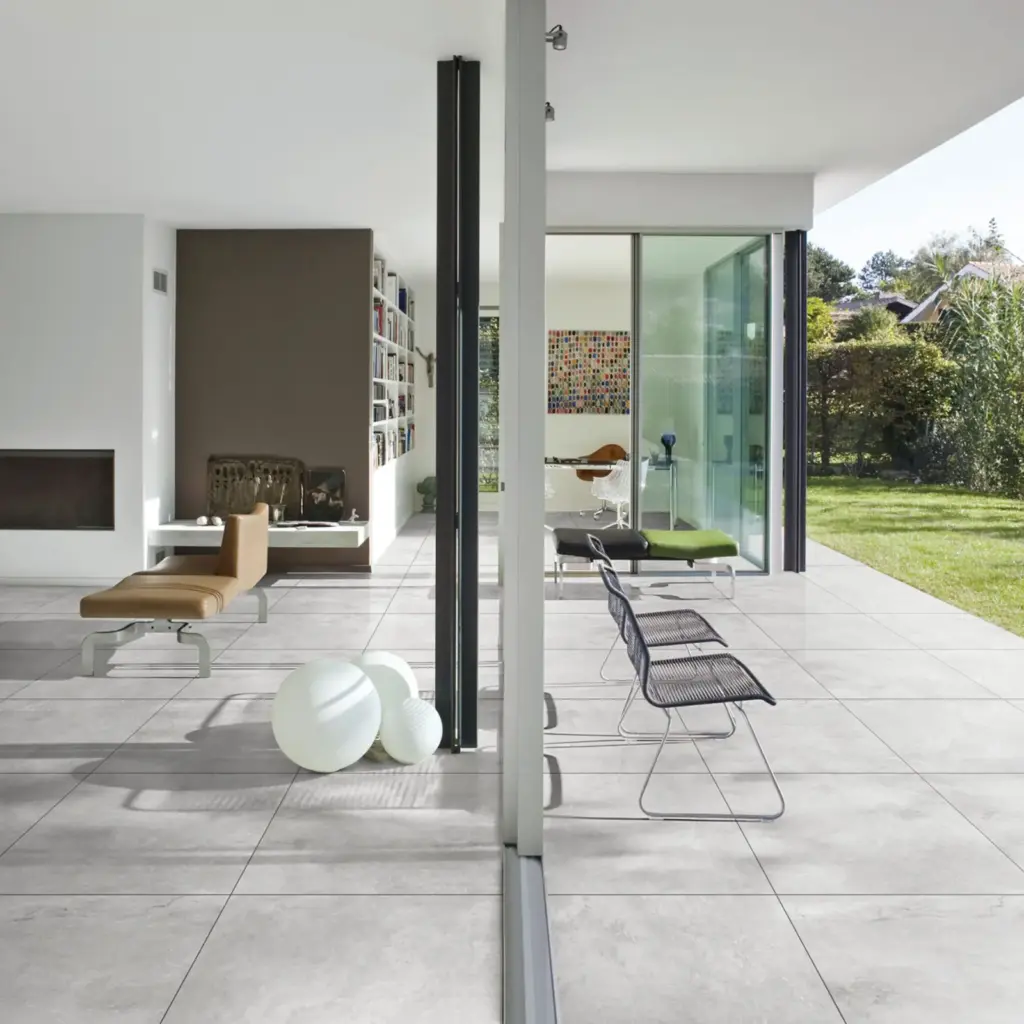
Outdoor paving tiles are engineered to survive temperature swings, freeze‑thaw cycles, UV exposure, and heavy loads. Unlike indoor ceramics, they usually feature a denser body, a low‑water‑absorption rating (<0.5 %), and a textured surface that reduces slipping when wet. The most common categories in 2026 are:
- Porcelain pavers: vitrified, highly dense, and available in both smooth and textured finishes.
- Interlocking concrete tiles: modular, easy to replace, and often designed with built‑in drainage channels.
- Natural stone slabs: such as travertine, slate, or basalt, prized for their unique veining and rustic appeal.
Each type brings a distinct blend of aesthetics and performance. For example, a recent Statista 2025 market analysis shows that interlocking concrete tiles gained a 12 % share among DIY homeowners because of their straightforward installation and cost‑effectiveness.
Table of Contents
- What Makes Outdoor Paving Tiles Different from Indoor Flooring?
- Choosing the Right Tile for Your Climate and Usage
- Key Climate‑Based Considerations
- Matching Tile Strength to Traffic Load
- Step‑by‑Step Installation Guide
- 1. Prepare the Sub‑Base
- 2. Layout and Pattern Selection
- 3. Cutting and Edge Finishing
- 4. Grouting and Sealing
- Maintenance: Keeping Your Paving Tiles Pristine
- Common Mistakes and How to Avoid Them
- Real‑World Case Study: A Family’s Backyard Transformation
- Frequently Asked Questions
- Can I install outdoor paving tiles myself, or do I need a professional?
- How long do porcelain pavers last?
- Is it necessary to seal natural stone tiles?
- What is the best way to prevent weeds from growing between tiles?
- Do outdoor paving tiles affect home resale value?
- Future Trends: What to Expect in Outdoor Paving After 2026
Choosing the Right Tile for Your Climate and Usage
When selecting paving tiles, the first step is to assess local weather patterns and the intended foot traffic. According to the National Oceanic and Atmospheric Administration (NOAA) 2026 climate outlook, regions with annual precipitation above 45 inches benefit most from tiles with built‑in drainage solutions and a slip‑resistant surface.
Key Climate‑Based Considerations
- Freeze‑thaw resilience: In colder zones (e.g., the Upper Midwest), opt for porcelain pavers rated for a minimum 10,000 freeze‑thaw cycles (tested by the American Concrete Institute, 2025).
- UV stability: Sun‑intensive areas like Arizona and Southern California require tiles with a UV‑inhibitor glaze to prevent color fading.
- Water permeability: For rainy climates, interlocking concrete tiles with hollow cores or a porous concrete mix promote rapid drainage, reducing standing water.
Matching Tile Strength to Traffic Load
Residential walkways typically endure a load of 2,500 psi, while commercial drive‑throughs can exceed 5,000 psi. The 2026 International Tile Council (ITC) guidelines recommend a compressive strength of at least 3,500 psi for high‑traffic zones, which most porcelain pavers comfortably exceed.
Step‑by‑Step Installation Guide
Even a friendly‑minded DIYer can achieve professional results with careful preparation. Below is an actionable roadmap that aligns with the latest best‑practice standards from the Tile Council of North America (TCNA, 2025).
1. Prepare the Sub‑Base
- Excavate to a depth of 6–8 inches, depending on the tile thickness.
- Lay a geotextile fabric to prevent weed intrusion and soil migration.
- Compact a 4‑inch layer of crushed stone (grade #3) to create a stable base.
- Apply a 1‑inch sand or polymer‑modified mortar bed, leveling with a screed.
2. Layout and Pattern Selection
Before committing to a pattern, dry‑lay a few tiles to visualise the design. Popular layouts in 2026 include:
- Running bond: Classic brick‑style staggered joints, forgiving for minor sub‑base irregularities.
- Herringbone: Adds visual drama and improves load distribution.
- Stacked grid: Modern, minimalistic look that works well with large-format tiles.
Remember to leave a ¼‑inch joint filler—either polymeric sand for concrete tiles or a flexible grout for porcelain—to accommodate movement.
3. Cutting and Edge Finishing
Use a wet‑cut diamond blade for porcelain and a masonry saw for concrete. For natural stone, a handheld angle grinder with a diamond blade yields the cleanest edge. Seal all perimeter edges with a flexible, weather‑proof sealant to prevent water infiltration.
4. Grouting and Sealing
While many modern pavers are designed to be grout‑free, applying a high‑performance, penetrating sealant can enhance stain resistance and reduce algae growth. The 2025 National Institute of Standards and Technology study found that sealed pavers retained their original colour 30 % longer in humid climates.
Maintenance: Keeping Your Paving Tiles Pristine
Regular upkeep extends the lifespan of any outdoor surface. Follow these simple routines:
- Weekly sweeping to remove debris that can hold moisture.
- Monthly pressure washing (≤1500 psi) with a mild, pH‑balanced cleaner.
- Annual resealing of porous stone or unglazed concrete tiles, especially after harsh winters.
- Spot‑treat oil or grease with an enzyme‑based degreaser to avoid staining.
For homeowners seeking a cohesive curb appeal, pairing the right paving with complementary finishes—like a fresh coat of exterior door paint—creates a unified look. The Exterior Door Paint Mastery guide offers expert tips on colour coordination that can enhance your patio’s visual flow.
Common Mistakes and How to Avoid Them
Even seasoned DIYers stumble over a few pitfalls. Here’s a quick checklist of errors that reduce tile performance:
- Skipping the sub‑base compaction: Leads to uneven settling and tile cracking.
- Using the wrong joint filler: Sand that washes away creates gaps for weeds.
- Neglecting expansion joints: In expansive climates, a ½‑inch gap every 8 feet prevents stress fractures.
- Over‑watering during cleaning: Excessive water can seep into the base, especially on porous concrete tiles.
Addressing these issues early saves time and money—plus you’ll avoid the embarrassment of a cracked walkway during the first summer.
Real‑World Case Study: A Family’s Backyard Transformation
In July 2026, the Miller family in Austin, Texas, replaced their cracked concrete patio with 12 × 12 inches interlocking concrete tiles featuring built‑in drainage channels. Their goals were threefold: improve slip resistance, add a modern aesthetic, and reduce maintenance.
After following the TCNA‑approved installation steps, the Millers reported a 40 % reduction in water pooling during heavy rainstorms (data logged by a backyard rain gauge). They also applied a high‑performance sealant recommended by Olympic Deck Stain 2026 to the surrounding wooden deck, creating a seamless transition between stone and wood.
The final touch? Strategically placed outdoor lights that highlight the tile pattern at night, boosting both safety and curb appeal. The project cost $7,200, well under the national average of $9,500 for similar upgrades, according to HomeAdvisor’s 2026 cost guide.
Frequently Asked Questions
Can I install outdoor paving tiles myself, or do I need a professional?
DIY installation is feasible for most residential projects, provided you follow the sub‑base preparation and joint‑filling guidelines. However, large‑scale commercial jobs or areas with complex drainage require a licensed contractor.
How long do porcelain pavers last?
When installed correctly and sealed, porcelain pavers can exceed 30 years of service with minimal colour fade, as verified by a 2025 University of Michigan materials study.
Is it necessary to seal natural stone tiles?
Yes. Natural stone is inherently porous; sealing reduces water absorption by up to 85 % and protects against freeze‑thaw damage.
What is the best way to prevent weeds from growing between tiles?
Use polymeric sand instead of regular sand. Once activated with water, it hardens, creating a weed‑resistant barrier while still allowing for expansion.
Do outdoor paving tiles affect home resale value?
According to the National Association of Realtors 2026 market report, homes with professionally installed, high‑quality paving see an average price premium of 3‑5 %.
Future Trends: What to Expect in Outdoor Paving After 2026
Innovation is steering the industry toward smarter materials. Expect to see:
- Self‑cleaning nanocoatings that repel dirt and algae.
- Embedded LED lighting within translucent porcelain for ambient night‑time glow.
- Recycled composite tiles made from post‑consumer plastic, offering a sustainable alternative with comparable strength.
Staying ahead of these trends ensures your patio not only looks great today but remains future‑proof.
Whether you’re refreshing a small garden path or redesigning a sprawling backyard, the right outdoor paving tiles combine durability, safety, and style. By choosing the appropriate material, preparing the groundwork meticulously, and maintaining the surface regularly, you’ll create an inviting outdoor space that stands the test of time.
For a harmonious exterior makeover, consider pairing your new paving with a fresh coat of exterior door paint that complements the tile colour palette, and don’t forget to illuminate the area with the best outdoor lighting solutions to showcase your work after dark.
Learn more about the technical specifications of porcelain tiles on Wikipedia.
