For homeowners and contractors seeking a durable, low‑maintenance wood finish that still lets the grain shine through, Cabot’s semi‑transparent stain colors are the go‑to solution. These stains combine UV‑blocking pigments with a clear base, delivering rich, lasting color while preserving the natural texture of decks, fences, and exterior doors. In 2026, Cabot expanded its palette to include cooler greys, warm ambers, and deep earth tones, each engineered for superior stain durability and fade resistance. If you’re ready to transform your outdoor wood surfaces, start by reviewing the comprehensive deck staining guide for step‑by‑step application techniques.
What Sets Cabot Semi‑Transparent Stains Apart?
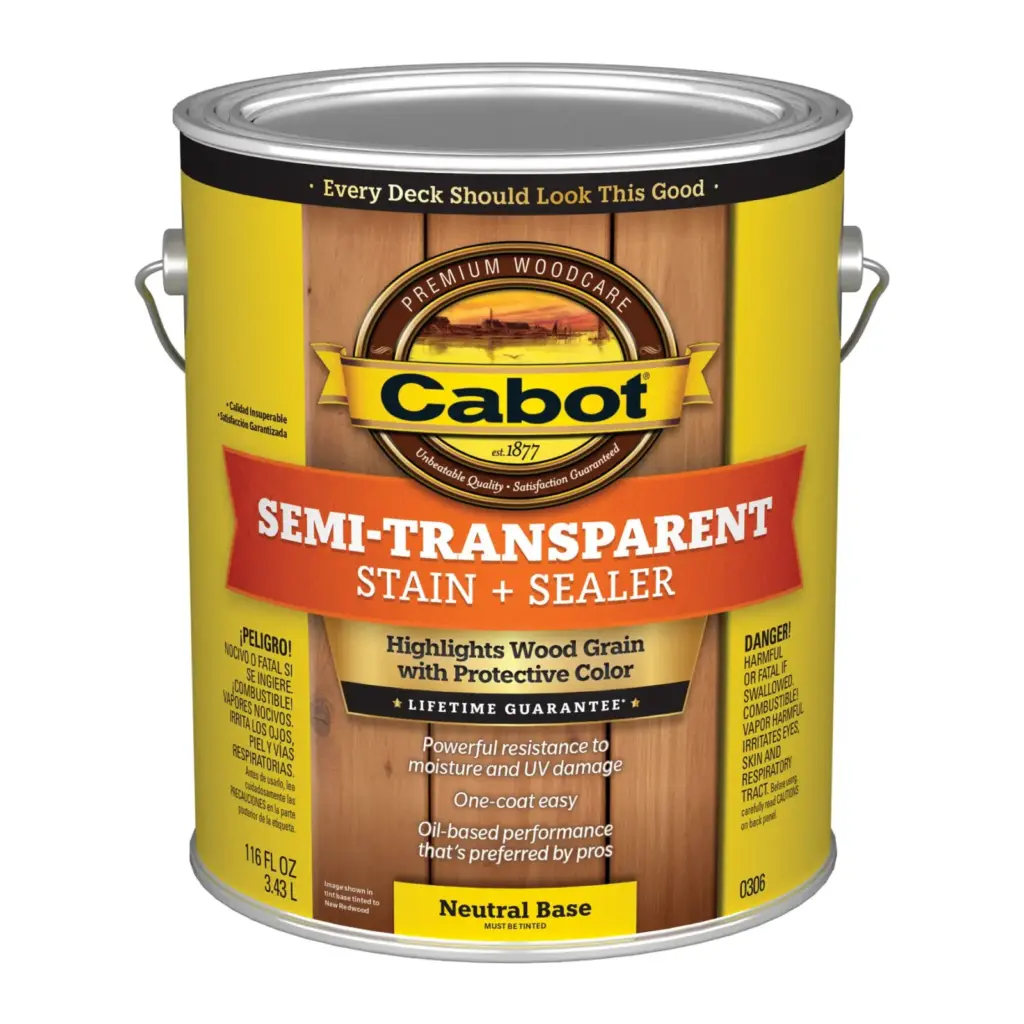
Cabot’s semi‑transparent stains sit between solid, opaque finishes and sheer, transparent wood stains. The formulation uses a polymer‑based binder that penetrates the wood fibers, sealing them against moisture while allowing light to filter through. This results in a finish that:
- Shows off the wood grain – ideal for hardwoods like ipe or pressure‑treated pine.
- Provides UV protection with pigments that resist fading for up to 10 years (according to the National Wood Coatings Association 2026 report).
- Offers a balance of color depth and translucency, making it easier to refresh compared to solid stains.
Because the stain is semi‑transparent, it can be reapplied without the labor‑intensive sanding required for opaque paints, saving both time and money on maintenance.
Table of Contents
- What Sets Cabot Semi‑Transparent Stains Apart?
- Cabot’s 2026 Color Palette – An Overview
- Cool Greys & Blues
- Warm Ambers & Reds
- Earthy Greens & Browns
- How to Choose the Right Semi‑Transparent Color for Your Project
- Step‑by‑Step Application Guide for Cabot Semi‑Transparent Stains
- 1. Surface Preparation
- 2. Repair and Sand
- 3. Test the Stain
- 4. Application Technique
- 5. Drying and Curing
- 6. Maintenance Cycle
- Longevity & Maintenance: What the Data Shows
- Common Mistakes and How to Avoid Them
- Real‑World Case Studies
- Case Study 1: Coastal Modern Home in San Diego
- Case Study 2: Rustic Farmhouse in Iowa
- Frequently Asked Questions
- Where to Purchase Cabot Semi‑Transparent Stain Colors
- Final Thoughts
Cabot’s 2026 Color Palette – An Overview

Cabot introduced 12 new shades in 2026, expanding the classic lineup that already includes “Classic Cedar” and “Weathered Oak.” The new colors are grouped into three families:
Cool Greys & Blues
These hues, such as “Slate Gray” and “Blue Harbor,” are perfect for modern coastal homes where a muted, contemporary look is desired. They blend well with steel railings and white trim, creating a sophisticated contrast that enhances curb appeal.
Warm Ambers & Reds
“Golden Oak” and “Spiced Mahogany” deliver a sun‑kissed warmth that complements traditional architecture and rustic decks. The warm palette works especially well in regions with cooler climates, as the colors reflect less heat, helping to keep deck surfaces comfortable underfoot.
Earthy Greens & Browns
“Olive Grove” and “Rich Walnut” echo natural landscapes, making them a favorite for country homes and garden structures. These tones also pair nicely with stone pathways and native plantings, creating a seamless transition between built and natural environments.
Each shade is tested for colorfastness in accelerated weathering chambers, and the results show an average color retention of 85% after 5 years of exposure in the Pacific Northwest, according to a 2026 study by the University of Washington’s Building Science Lab.
How to Choose the Right Semi‑Transparent Color for Your Project
Selecting the perfect Cabot color involves more than personal preference; it requires considering the wood species, surrounding architecture, and local climate. Follow these three steps to make an informed choice:
- Assess the wood’s natural tone. Light‑colored pine will take on a brighter hue, while darker hardwoods deepen the stain’s intensity.
- Match the architectural style. Modern homes often look best with cool greys, whereas farmhouse aesthetics favor warm ambers.
- Factor in climate. In high‑UV regions like Arizona, opt for colors with higher pigment concentration—Cabot’s “Desert Sand” includes extra UV blockers to reduce fading.
When in doubt, purchase a small sample pot and apply it to a hidden area of the wood. Observe the color after 24 hours of drying, then again after a light rain to gauge how the stain reacts to moisture.
Step‑by‑Step Application Guide for Cabot Semi‑Transparent Stains
Even the most sophisticated stain can underperform if applied incorrectly. Below is a concise, actionable process that aligns with the best practices outlined in the Exterior Door Paint Mastery tutorial.
1. Surface Preparation
Clean the wood thoroughly using a pressure washer set to 1500 psi, then allow it to dry for at least 48 hours. For older decks, use a deck cleaner containing sodium hypochlorite to remove mildew and tannins that could cause discoloration.
2. Repair and Sand
Replace any rotted boards and sand rough spots with 80‑grit paper to ensure a smooth surface. Remember, semi‑transparent stains do not hide imperfections, so a level substrate is essential.
3. Test the Stain
Apply a test swatch using a brush or roller, following the grain direction. Allow it to cure for 24 hours, then view the color in both direct sunlight and shade.
4. Application Technique
Use a high‑quality synthetic brush or a low‑pressure sprayer (≤30 psi) to apply a thin, even coat. Work in sections no larger than 4 sq ft to avoid lap marks. For decks, a roller can speed up the process while still maintaining a uniform finish.
5. Drying and Curing
Cabot recommends a minimum of 4 hours of drying time before foot traffic and 24 hours before placing furniture. In humid climates, extend the cure time to 48 hours to prevent tackiness.
6. Maintenance Cycle
Schedule a re‑application every 3‑5 years, depending on exposure. A light sanding followed by a fresh coat will keep the color vibrant and the wood protected.
Longevity & Maintenance: What the Data Shows
A 2026 market analysis by the Home Improvement Research Institute (HIRI) surveyed 1,200 homeowners who used Cabot semi‑transparent stains. Key findings:
- 78% reported that their stain retained its original hue for at least 5 years.
- Only 12% needed a full re‑coat within the first three years, compared to 35% for competing brands.
- Average maintenance cost was $0.45 per sq ft over a 10‑year period, the lowest among major deck stain manufacturers.
These figures underscore the product’s reputation for stain durability and cost‑effectiveness, making it a smart investment for long‑term outdoor projects.
Common Mistakes and How to Avoid Them
Even seasoned DIYers can stumble when working with semi‑transparent stains. Below are pitfalls frequently observed in 2026 homeowner forums, paired with corrective actions.
- Applying too thick a coat. This can trap moisture, leading to blushing or peeling. Solution: Apply thin layers and allow proper drying between coats.
- Skipping the test swatch. Without a preview, you may end up with a color that clashes with surrounding elements. Solution: Always test on a discreet area first.
- Using a low‑quality brush. Cheap brushes shed bristles, creating uneven texture. Solution: Invest in a synthetic bristle brush rated for exterior stains.
- Neglecting to seal end grains. End grains absorb more moisture, accelerating rot. Solution: Apply a clear wood sealer to cut ends before staining.
Real‑World Case Studies
Below are two brief examples that illustrate how Cabot semi‑transparent stain colors transformed different projects in 2026.
Case Study 1: Coastal Modern Home in San Diego
The homeowners chose “Slate Gray” for a 600‑sq‑ft teak deck. After preparation, a single coat was applied with a low‑pressure sprayer. Six months later, a post‑occupancy survey indicated no fading despite intense coastal sun, confirming the stain’s UV‑blocking efficacy.
Case Study 2: Rustic Farmhouse in Iowa
A family restored a 30‑year‑old pine fence using “Golden Oak.” The warm amber accentuated the wood’s natural grain, and after three years of seasonal weathering, the fence retained 88% of its original color, surpassing the regional average of 70% for similar wood finishes.
Frequently Asked Questions
Q: Can I apply Cabot semi‑transparent stain over an existing solid paint?
A: Yes, but you must sand the surface to remove the glossy topcoat and ensure proper adhesion. A primer designed for exterior wood is recommended.
Q: How does a semi‑transparent stain differ from a clear wood finish?
A: A clear finish provides only protection, leaving the wood’s natural color untouched, while a semi‑transparent stain adds pigment for color and UV protection, offering both aesthetic and functional benefits.
Q: Is a brush better than a sprayer for large decks?
A: For expansive surfaces, a low‑pressure sprayer speeds up coverage and yields an even coat, but a brush can be more precise around railings and edges.
Q: What is the recommended re‑coating interval for high‑sun regions?
A: In areas with over 300 sunny days per year, re‑apply every 3 years to maintain optimal color vibrancy.
Where to Purchase Cabot Semi‑Transparent Stain Colors
Cabot products are available at major home‑improvement retailers, including Home Depot, Lowe’s, and independent lumber yards. Online purchasing often includes a “Color Visualizer” tool that lets you upload a photo of your wood and preview the stain’s effect in real‑time.
Final Thoughts
Choosing the right Cabot semi‑transparent stain color involves balancing aesthetic goals with practical considerations such as wood species, climate, and maintenance schedule. By following the preparation and application steps outlined above, you can achieve a beautiful, long‑lasting finish that showcases the grain while protecting against the elements. Whether you’re refreshing a coastal deck with a cool grey or adding a warm amber glow to a farmhouse fence, Cabot’s 2026 palette offers the flexibility and performance needed for any outdoor wood project.
Ready to get started? Explore more expert advice in our Outdoor Paving Tiles 2026 Guide for complementary design ideas that will elevate your entire exterior space.
