When you need a finish that can endure relentless rain, scorching sun, and the occasional splash of salty sea air, the most reliable solution is an oil based exterior paint, because its penetrating film forms a flexible, weather‑resistant barrier that protects wood, metal, and masonry for years.
What Makes Oil Based Exterior Paint Different?
Oil based exterior paint—often called alkyd paint—uses natural or synthetic oils (such as linseed or soy) as the binder instead of water. This chemistry gives the coating a higher solids content, which translates into a thicker, more durable film after each coat dries. The result is a finish that resands less, hides surface imperfections better, and stands up to UV‑induced fading longer than most water‑based alternatives.
Key Advantages Over Latex and Other Water‑Based Systems
- Superior adhesion: The oil molecules seep into the pores of wood and metal, creating a mechanical bond that latex paints struggle to match.
- Enhanced moisture resistance: A well‑applied oil based coat repels water, reducing the risk of blistering and peeling during heavy rains.
- Long‑lasting color depth: The pigment load is typically higher, delivering richer hues that stay vivid even after a decade of exposure.
- Better coverage on difficult substrates: Surfaces like previously painted decks or aged siding benefit from the “wet‑into‑wet” capability that allows the paint to level out minor imperfections.
Choosing the Right Oil Based Exterior Paint in 2026
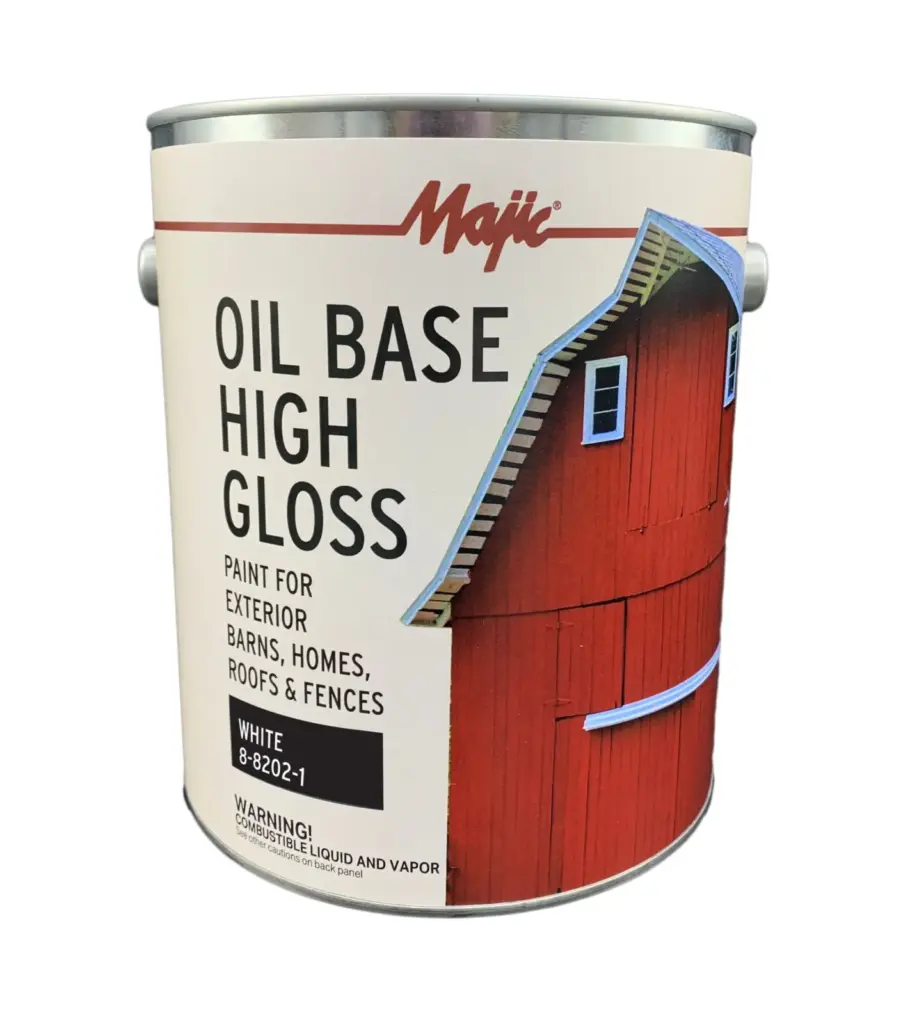
Not all oil based paints are created equal. The market now offers low‑VOC (volatile organic compound) formulas that meet stricter environmental regulations while preserving the classic performance traits. When shopping, consider these factors:
Table of Contents
- What Makes Oil Based Exterior Paint Different?
- Key Advantages Over Latex and Other Water‑Based Systems
- Choosing the Right Oil Based Exterior Paint in 2026
- Step‑by‑Step Application Guide
- 1. Surface Preparation
- 2. Primer Application (If Needed)
- 3. Paint Mixing and Loading
- 4. First Coat
- 5. Dry Time and Second Coat
- 6. Clean‑Up
- Common Mistakes and How to Avoid Them
- Real‑World Case Study: Revitalizing a 30‑Year‑Old Deck
- Maintenance Tips for Longevity
- Frequently Asked Questions
- Is oil based exterior paint safe for the environment?
- Can I paint over a latex exterior paint with oil based paint?
- How does oil based paint perform on masonry?
- What’s the best way to dispose of leftover oil paint?
- Conclusion: Is Oil Based Exterior Paint Right for You?
- VOC content: Look for products labeled “low‑VOC” or “zero‑VOC” to stay compliant with local air‑quality standards. Many manufacturers, such as Behr and Cabot, have introduced eco‑friendly lines in 2026.
- Sheen level: Flat or matte finishes hide imperfections, while semi‑gloss offers easier cleaning for high‑traffic doors. For a deck, a satin sheen often provides the best balance of slip resistance and durability.
- Compatibility with existing surfaces: If you’re repainting a previously stained deck, read the product’s “stain‑to‑paint” compatibility chart. The 2026 Guide to Behr Deck Stain Colors details which oil based paints pair well with popular deck stains.
Step‑by‑Step Application Guide
Proper preparation and technique are the cornerstones of a flawless oil based exterior finish. Follow these actionable steps for a professional result:
1. Surface Preparation
- Clean the surface thoroughly with a trisodium phosphate (TSP) solution to remove dirt, mildew, and old flaking paint.
- Scrape and sand any loose paint or splintered wood. For metal, remove rust with a wire brush and apply a rust‑inhibiting primer.
- Rinse with clean water and let the surface dry completely—ideally 24‑48 hours in moderate humidity.
2. Primer Application (If Needed)
While many modern oil based paints claim “self‑priming” capability, a dedicated oil based primer can boost adhesion on bare wood or previously painted surfaces. Apply a thin coat with a high‑density foam roller, allowing 30‑45 minutes to set before the topcoat.
3. Paint Mixing and Loading
Stir the paint gently with a paint stick; avoid vigorous shaking that can create bubbles. Load a ¾‑inch nap brush or a 9‑inch roller cover designed for oil paints—these retain more paint and deliver a smoother film.
4. First Coat
Work in sections no larger than 6 feet square, maintaining a “wet edge” to prevent lap marks. Apply the paint in thin, even layers, following the grain of wood or the direction of metal panels. For exterior doors, the Exterior Door Paint Mastery article recommends a light sanding between coats to keep the surface slick.
5. Dry Time and Second Coat
Oil based exterior paint typically needs 6‑8 hours to become touch‑dry, but 24 hours is safer for a full cure in humid climates. Apply a second coat after the first has fully cured; this is where the final color depth and durability are cemented.
6. Clean‑Up
Use mineral spirits or an approved paint thinner to clean brushes, rollers, and any spills. Store leftover paint in a tightly sealed container, and label it with the date and batch number for future touch‑ups.
Common Mistakes and How to Avoid Them
Even seasoned DIYers can stumble when working with oil based exterior paint. Below are pitfalls that jeopardize the coating’s performance, plus practical tips to sidestep them:
- Skipping surface prep: Painting over grime or loose flaking paint creates a weak bond. Always scrub, sand, and prime when necessary.
- Applying too thick a coat: Oil based paints need time to penetrate; a thick layer can trap solvents, leading to cracking. Thin, even coats are key.
- Ignoring temperature and humidity: Painting in temperatures below 50 °F (10 °C) or above 85 °F (29 °C) can cause uneven drying. Ideal conditions are 55‑75 °F with 40‑60 % relative humidity.
- Using the wrong brush or roller: Synthetic bristles work better for latex; oil based paints require natural‑bristle brushes for smooth flow.
- Neglecting maintenance: Even the toughest oil based exterior paint benefits from an annual inspection. Touch up chips promptly to prevent moisture infiltration.
Real‑World Case Study: Revitalizing a 30‑Year‑Old Deck
Homeowner Sarah from California faced a deck plagued by splintered boards, sun‑bleached stains, and peeling paint. She opted for an oil based exterior paint with a low‑VOC formula, following the preparation steps outlined above. After a thorough sand‑and‑clean routine, she applied two coats of a semi‑gloss oil paint recommended in the Cabot Semi‑Transparent Stain Colors 2026 guide, which highlighted compatible hues for oil based finishes.
The outcome? Within a week the deck looked brand‑new, and a six‑month follow‑up revealed no signs of blistering or fading—testament to the durability of oil based exterior paint when applied correctly.
Maintenance Tips for Longevity
Oil based exterior paint is not a “set and forget” solution. To preserve its protective qualities:
- Inspect the surface annually for cracks, chips, or moisture stains.
- Spot‑clean with a mild detergent and water; avoid pressure washing which can strip the film.
- Re‑coat high‑traffic areas (like front doors) every 5‑7 years, using the same product to maintain color consistency.
- Consider a clear, UV‑blocking topcoat for surfaces that receive direct sunlight for more than 6 hours a day.
Frequently Asked Questions
Is oil based exterior paint safe for the environment?
Modern low‑VOC formulations dramatically reduce harmful emissions compared with traditional oil paints. While they still contain solvents, the levels comply with EPA standards for residential use.
Can I paint over a latex exterior paint with oil based paint?
Yes, but you must sand the latex surface to a matte finish and apply a compatible oil based primer. This ensures the oil paint adheres properly.
How does oil based paint perform on masonry?
When used with a masonry primer, oil based exterior paint creates a breathable yet waterproof barrier that resists salt crystallization and freeze‑thaw cycles, making it ideal for historic brick facades.
What’s the best way to dispose of leftover oil paint?
Do not pour it down the drain. Transfer the remaining paint to a sealed container and take it to a local hazardous‑waste collection point, as recommended by the EPA.
Conclusion: Is Oil Based Exterior Paint Right for You?
For projects demanding durability, superior adhesion, and deep, lasting color—such as decks, exterior doors, and older wooden siding—oil based exterior paint remains the industry benchmark in 2026. By selecting a low‑VOC product, following meticulous surface preparation, and respecting proper curing times, homeowners can achieve a finish that not only looks spectacular but also safeguards their investment for a decade or more.
Ready to start your next exterior makeover? Pair your oil based paint with the right deck stain, door finish, or paving solution—check out the Outdoor Paving Tiles 2026 Guide for complementary ideas that enhance curb appeal and durability.
