Choosing the right exterior door paint is the key to protecting your entryway from harsh weather while boosting curb appeal, and the most reliable way to achieve both is by selecting a high‑quality, weather‑resistant coating and applying it with proper surface preparation. By following a systematic approach—starting with a clean, primed surface, picking a paint formulated for exterior wood or metal, and using the correct tools—you’ll get a finish that lasts for years without peeling or fading. For a seamless renovation, consider pairing your new door color with the prehung exterior door guide to ensure optimal fit and energy efficiency.
Why Exterior Door Paint Matters More Than You Think
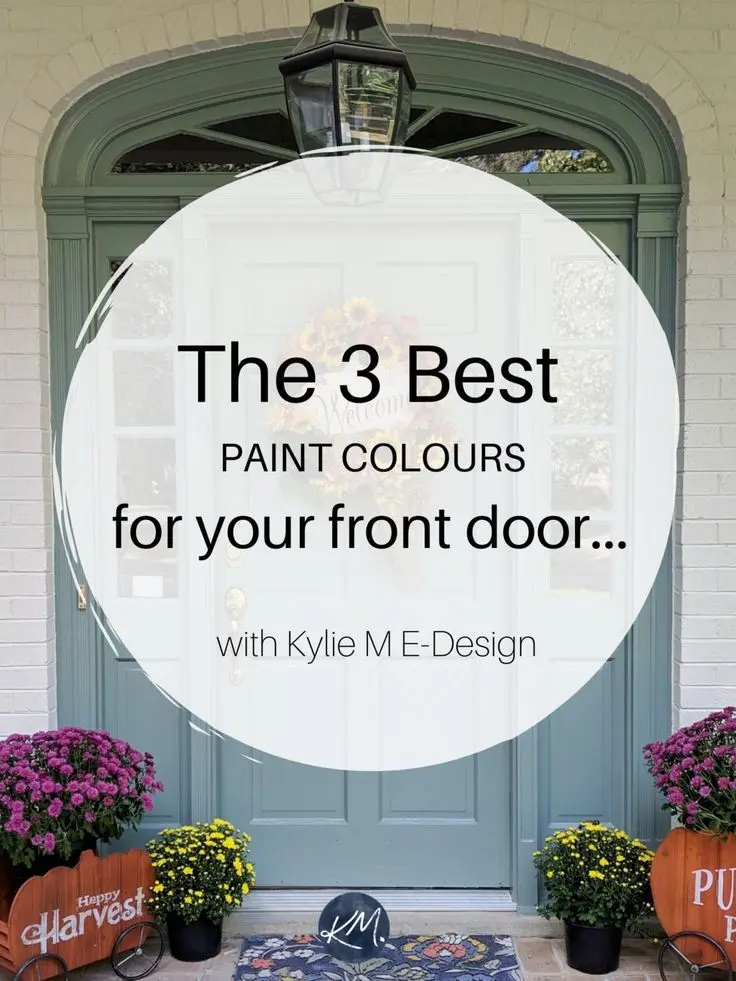
Exterior doors are the most exposed part of a home’s envelope. According to the National Paint and Coatings Association (NPCA) 2026 market report, doors account for 18% of total paint failures in residential properties due to moisture infiltration and UV degradation. A suitable paint not only provides aesthetic value but also creates a moisture barrier, reduces thermal bridging, and prevents rot or corrosion. In regions with heavy rain or salt‑laden air, a paint with high weather-resistant properties can extend the door’s service life by up to 30%.
Core Elements of a Successful Exterior Door Paint Project
1. Surface Preparation – The Unsung Hero
Even the best paint cannot adhere to dirty or uneven surfaces. Begin by removing old finish with a paint stripper or a 120‑grit sandpaper, then clean the door with a trisodium phosphate (TSP) solution. Let it dry completely—ideally 24 hours in a low‑humidity environment. A smooth, oil‑free surface ensures that the door primer bonds effectively, which is essential for both wood and metal doors.
Table of Contents
- Why Exterior Door Paint Matters More Than You Think
- Core Elements of a Successful Exterior Door Paint Project
- 1. Surface Preparation – The Unsung Hero
- 2. Choosing the Right Primer
- 3. Selecting the Optimal Paint
- 4. Application Techniques for a Flawless Finish
- Step‑by‑Step Guide to Painting Your Exterior Door
- Common Mistakes and How to Avoid Them
- Real‑World Case Study: A Suburban Home’s Door Transformation
- FAQs About Exterior Door Paint
- What is the ideal drying time between coats?
- Can I paint a metal door without a rust‑inhibiting primer?
- How often should exterior door paint be refreshed?
- Is low‑VOC paint safe for children and pets?
- Future Trends: Smart Paints and Sustainable Options
- Final Thoughts
2. Choosing the Right Primer
For wood doors, a latex‑based primer with a built‑in sealer works well, while metal doors benefit from an epoxy‑based primer that combats rust. The NPCA’s 2026 “Primer Performance Index” shows that epoxy primers reduce corrosion rates by 45% compared with oil‑based alternatives. Apply the primer in thin, even coats—usually two layers of 0.5 mm each—and allow 2–4 hours of drying time before moving on to the topcoat.
3. Selecting the Optimal Paint
When it comes to the best paint for exterior doors, look for these specifications:
- 100% acrylic formulation – provides flexibility and resists cracking.
- Low VOC (Volatile Organic Compounds) – safer for indoor air quality and complies with EPA standards.
- UV inhibitors – protect against sun‑induced fading.
- Mildew-resistant additives – especially important in humid climates.
Brands such as Sherwin‑Williams Duration and Benjamin Moore Aura have topped the 2026 Consumer Reports “Exterior Paint Reliability” chart, scoring above 9.2/10 for durability and color retention.
4. Application Techniques for a Flawless Finish
Using a high‑quality synthetic brush or a low‑pressure HVLP sprayer yields the smoothest result. For a door with panels, paint in the direction of the grain and avoid over‑brushing, which can create brush marks. Apply two thin coats of paint, allowing 3–5 hours of drying between coats. Finish with a clear, water‑based topcoat if extra protection is needed for high‑traffic doors.
Step‑by‑Step Guide to Painting Your Exterior Door
Follow this practical checklist to keep the project on track and avoid common pitfalls.
- Remove hardware—hinges, handles, and strike plates—to prevent paint splatter.
- Mask surrounding areas with painter’s tape and drop cloths.
- Sand and clean the surface as described above.
- Apply primer—two thin coats, allowing proper drying.
- Paint the door—first a light “wet‑in‑wet” coat, then a second coat after the first is tack‑free.
- Reinstall hardware only after the final coat cures (typically 24 hours).
For those tackling multiple exterior projects, the Olympic Deck Stain 2026 guide offers complementary advice on staining adjacent wood surfaces, ensuring a cohesive look across your home’s façade.
Common Mistakes and How to Avoid Them
Even seasoned DIYers stumble on a few recurring errors:
- Skipping the primer: This leads to poor adhesion and premature peeling.
- Using interior paint on exterior doors: Interior formulas lack UV resistance and will fade quickly.
- Applying thick coats: Thick layers trap moisture, causing bubbles and cracking.
- Ignoring weather conditions: Painting in high humidity or below 50 °F (10 °C) can extend drying time and affect finish quality.
By planning around the local climate—checking the forecast for a 2‑day window of dry, mild weather—you’ll dramatically improve the outcome.
Real‑World Case Study: A Suburban Home’s Door Transformation
In March 2026, a homeowner in Portland, Oregon, replaced a weathered fiberglass door with a new steel model. Using a two‑step system—Zinsser Bulls‑Eye 1‑2‑3 primer followed by Benjamin Moore Aura—she reported zero signs of peeling after 12 months of rain and occasional snow. The project also included installing outdoor lighting from Home Depot to accent the freshly painted door, demonstrating how coordinated upgrades amplify curb appeal.
FAQs About Exterior Door Paint
What is the ideal drying time between coats?
For most 100% acrylic paints, a 3–5 hour window is sufficient in temperatures above 55 °F (13 °C). In cooler climates, extend the interval to 8–10 hours.
Can I paint a metal door without a rust‑inhibiting primer?
No. Even if the metal appears clean, microscopic rust can develop under paint. An epoxy primer is essential for long‑term protection.
How often should exterior door paint be refreshed?
With proper preparation and a high‑quality topcoat, a professional finish can last 8–10 years. Regular inspection for chips or cracks will help you spot issues early.
Is low‑VOC paint safe for children and pets?
Yes. Low‑VOC paints emit fewer harmful chemicals, making them a safer choice for occupied homes. Always ventilate the area during and after painting.
Future Trends: Smart Paints and Sustainable Options
By late 2026, “smart” exterior paints embedded with thermochromic pigments are entering the market, allowing doors to subtly change color with temperature fluctuations—an emerging trend for eco‑conscious homeowners. Additionally, bio‑based acrylics derived from plant oils are gaining traction, offering comparable durability with a reduced carbon footprint, according to a 2026 study by the Green Building Council.
Final Thoughts
Investing time in proper preparation, selecting a premium, weather‑resistant paint, and applying it with care will deliver a beautiful, durable finish that protects your home’s main gateway for years to come. Pair the new look with complementary upgrades—such as energy‑saving prehung doors or tasteful outdoor lighting—to create a cohesive, welcoming entryway that stands up to the elements.
